
Why international conservation matters more than ever
Conservation is no longer a local issue with local consequences. A wetland restored in Kenya can improve bird migration routes that span continents. A marine protected area in the Philippines can help fish populations recover far beyond national waters. A forest agreement in the Amazon can influence rainfall patterns that support agriculture thousands of miles away. In a globalized world, ecosystems are connected, and so are the benefits of protecting them.
That is why international conservation efforts have become a central part of climate action, biodiversity protection, and sustainable development. They are not just about saving charismatic species for posters and documentaries. They are about keeping the natural systems that regulate water, store carbon, stabilize soils, support food security, and protect communities from climate shocks. In other words: conservation is infrastructure. Only this infrastructure is built by rivers, reefs, forests, and migratory corridors instead of concrete and steel.
The good news? Around the world, countries, scientists, local communities, and Indigenous leaders are proving that conservation can work when it is grounded in science, backed by policy, and designed to benefit people as well as wildlife.
The global scale of the challenge
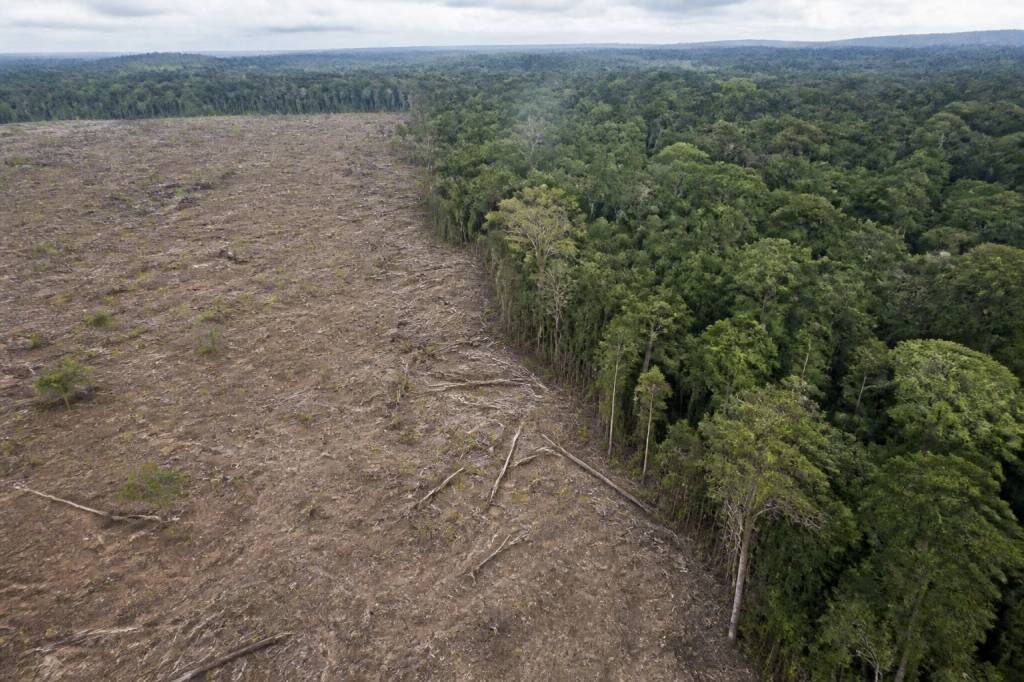
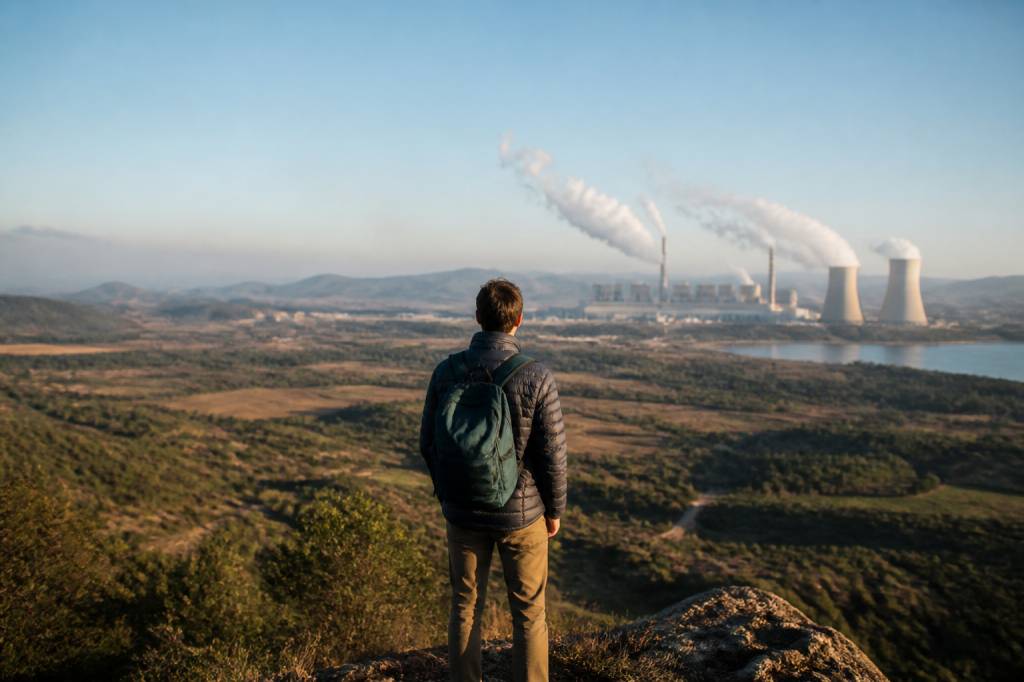
The pressure on nature is intense. According to the Intergovernmental Science-Policy Platform on Biodiversity and Ecosystem Services, around one million species are at risk of extinction in the coming decades if current trends continue. Habitat loss, pollution, overexploitation, invasive species, and climate change are pushing ecosystems beyond their limits. And because climate change intensifies droughts, fires, heatwaves, and ocean warming, conservation cannot be separated from emissions reduction.
Here is the challenge in plain terms: protected areas are essential, but a park surrounded by deforestation, unregulated fishing, or rising temperatures is not enough. Species move, water flows, and carbon does not respect borders. Effective conservation has to follow the same logic. It must be international, coordinated, and adaptive.
This is where global agreements and cross-border cooperation come in. They are not glamorous. There are no dramatic soundtrack moments in a policy meeting. Yet these mechanisms determine whether a wetland is drained or restored, whether a coral reef is given a chance to recover, and whether communities have the resources to steward the land they depend on.
Protected areas are expanding, but quality matters as much as quantity
One of the biggest wins in international conservation has been the growing commitment to protect more of the planet. The Kunming-Montreal Global Biodiversity Framework, adopted in 2022, includes the ambitious goal of protecting 30% of land and sea by 2030. That target has helped push governments to expand national parks, marine reserves, and community-managed conservation zones.
But a map full of green patches does not automatically equal real protection. A paper park, as conservationists often say, exists in legislation but not in practice. Effective protected areas need enforcement, long-term funding, local support, and ecological connectivity. A reserve isolated from surrounding habitats can become a biological island, which is bad news for species that need room to move as temperatures rise.
Some of the most promising models combine strict protection with sustainable use. For example:
- Marine protected areas that allow limited fishing in designated zones while preserving breeding grounds.
- Landscape corridors that connect fragmented forests so animals can migrate safely.
- Community conservation areas where local residents manage resources and share in the benefits of ecotourism or sustainable harvesting.
This matters because conservation succeeds when people living near nature are partners, not bystanders. A protected area with no local legitimacy tends to fail. A protected area built with local governance tends to last.
Indigenous leadership is changing conservation from the ground up
If international conservation is becoming more effective, a major reason is the growing recognition of Indigenous stewardship. Indigenous Peoples manage or influence a significant share of the world’s remaining biodiversity-rich lands, often with better conservation outcomes than state-managed areas. That is not a coincidence. It is the result of generations of place-based knowledge, cultural practices, and a relationship with land that is often deeply reciprocal.
International conservation is increasingly shifting from a top-down model to one that respects Indigenous rights and leadership. In practical terms, this means supporting land tenure, free prior and informed consent, and co-management agreements. It also means funding conservation in ways that do not force communities into dependency or extractive tourism models.
There are powerful examples of this approach. In parts of the Amazon, Indigenous territories have acted as some of the strongest barriers against deforestation. In Australia, Indigenous ranger programs are helping manage fire regimes, invasive species, and coastal ecosystems using a combination of traditional knowledge and modern science. In Canada and the Arctic, Indigenous communities are playing a key role in wildlife monitoring and climate adaptation.
The lesson is simple: when conservation is built with the people who know the land best, it becomes more effective, more ethical, and more durable.
Marine conservation is moving from isolated zones to ocean-wide strategies
The oceans are a major focus of international conservation, and for good reason. They absorb heat, regulate climate, provide food for billions, and support a vast network of biodiversity. Yet overfishing, habitat destruction, plastic pollution, and warming waters are putting marine ecosystems under severe stress.
International efforts are starting to respond with more ambition. Large marine protected areas are expanding, tuna fisheries are being managed through regional agreements, and global negotiations are underway to protect biodiversity beyond national jurisdiction, often called the high seas treaty. That last point is especially important. Nearly half the planet lies beyond national waters, which means cooperation is the only realistic path to meaningful protection.
One of the most encouraging trends is the shift from single-species management to ecosystem-based governance. Rather than asking only how many fish can be caught this year, policymakers are increasingly asking how fisheries affect reefs, seabirds, predators, and long-term resilience. That is a much better question, and one with better outcomes.
There is also a growing push for nature-based solutions in coastal areas. Mangrove restoration, seagrass protection, and salt marsh rehabilitation can buffer storm surges, store carbon, and provide nursery habitats for marine life. These are not theoretical benefits. They are measurable, practical, and often cheaper than hard infrastructure.
Restoring forests is about more than planting trees
Tree-planting campaigns have become a popular symbol of climate action, but international conservation professionals are increasingly focused on what happens before the sapling goes into the ground. Not every landscape should be covered in trees. Grasslands, peatlands, savannas, and wetlands are all vital ecosystems in their own right. Planting the wrong species in the wrong place can harm biodiversity and water systems rather than help them.
That is why many international initiatives now emphasize ecological restoration rather than simple afforestation. Restoration means repairing the function of ecosystems, not just their appearance. It involves rewetting drained peatlands, allowing natural regeneration, removing invasive species, reconnecting rivers to floodplains, and protecting seed sources that enable forests to recover on their own.
Examples of this broader approach are emerging worldwide:
- The Bonn Challenge has encouraged countries to restore hundreds of millions of hectares of degraded land.
- Transboundary forest initiatives in Central Africa are linking conservation with anti-poaching efforts and community livelihoods.
- Peatland restoration projects in Southeast Asia are helping reduce fire risk while cutting carbon emissions.
One of the more encouraging shifts is the move away from “greenwashing by sapling.” Good restoration is slower, more technical, and less photogenic than a mass planting event. It also works much better.
Wildlife corridors are becoming the missing link in conservation planning
Climate change is forcing species to move in search of suitable habitat, but many landscapes are fragmented by roads, farms, and urban expansion. International conservation efforts are increasingly focusing on connectivity: the idea that species need pathways, not just islands of protection.
Wildlife corridors can span borders and ecosystems. They allow animals to migrate, breed, and adapt to shifting conditions. They also reduce human-wildlife conflict by guiding movement away from densely settled areas. In practice, corridors can include protected forests, restored grasslands, underpasses under highways, or river networks with natural banks intact.
This is especially important in mountain regions and drylands, where climate zones are changing rapidly. A species trapped in one microclimate may have nowhere to go if surrounding land has been heavily modified. Corridors give ecosystems a chance to respond instead of collapse.
International examples include cross-border mountain conservation initiatives in the Himalayas, savanna connectivity projects in East Africa, and regional biodiversity corridors in the Mesoamerican Biological Corridor. The logic is straightforward: if nature moves across borders, conservation must too.
Technology is giving conservation a sharper edge
One area where international conservation is evolving quickly is technology. Satellites, drones, acoustic sensors, and AI-based monitoring are making it easier to track deforestation, detect illegal fishing, map habitat loss, and monitor wildlife populations in near real time. For conservation teams that once relied on slow field surveys alone, this is a major advantage.
For example, satellite data can reveal forest clearing within days, not months. Acoustic sensors can record whale calls, bird migrations, or chainsaw activity. AI tools can analyze camera trap images at scale, helping scientists identify species and estimate population trends more efficiently. These tools do not replace fieldwork, but they make it smarter and more targeted.
There is an important caveat, though: technology is only as good as the governance behind it. Data without enforcement is just data. The most effective conservation projects pair innovation with accountability, local partnerships, and transparent decision-making.
Still, the potential is substantial. When used well, technology helps conservation teams act earlier, spend resources more efficiently, and measure what is actually working. That last part is crucial. Nature-based action should not be judged by good intentions alone.
Funding is the quiet engine behind successful conservation
Big goals need serious financing. Conservation has long suffered from a familiar problem: lots of ambition, not enough money. International efforts are starting to address this through biodiversity funds, debt-for-nature swaps, philanthropic partnerships, and payment for ecosystem services schemes.
Debt-for-nature swaps are one of the more interesting tools. In these arrangements, a portion of a country’s debt is forgiven or restructured in exchange for investment in conservation. This can free up public resources while protecting critical ecosystems. Several coastal and forest-rich nations have used variants of this model to support marine reserves and watershed protection.
Another important trend is directing more funds toward local organizations and Indigenous-led projects. Too often, conservation money gets trapped in administrative overhead or external consultancy layers. Communities on the front line need direct support, technical assistance, and long-term funding, not just short project cycles.
If conservation is infrastructure, then funding is maintenance. No society would build a bridge and then refuse to inspect it. Nature deserves better than that logic.
What a greener future actually looks like
A greener future is not just a world with more protected land. It is a world where conservation is woven into trade, agriculture, urban planning, ocean governance, and climate policy. It is a world where Indigenous rights are upheld, ecosystems are connected, and biodiversity is treated as a foundation for resilience rather than a luxury.
International conservation efforts are shaping that future in several concrete ways:
- They are helping countries coordinate across borders to protect migratory species and shared watersheds.
- They are turning scientific evidence into policies that reduce deforestation, overfishing, and habitat loss.
- They are elevating community-led and Indigenous-led stewardship as a core conservation strategy.
- They are linking ecosystem restoration with climate adaptation, disaster risk reduction, and food security.
- They are making use of technology to monitor progress and respond faster to threats.
The next decade will decide whether these efforts scale fast enough to matter. There is reason for cautious optimism. The tools are improving, public awareness is growing, and more governments understand that biodiversity loss is not a side issue. It is a systemic risk.
The real test is whether international cooperation can stay focused on outcomes: healthier forests, cleaner oceans, connected habitats, stronger communities, and lower emissions. If it can, conservation will do more than preserve what remains. It will help rebuild the conditions for life to thrive.