


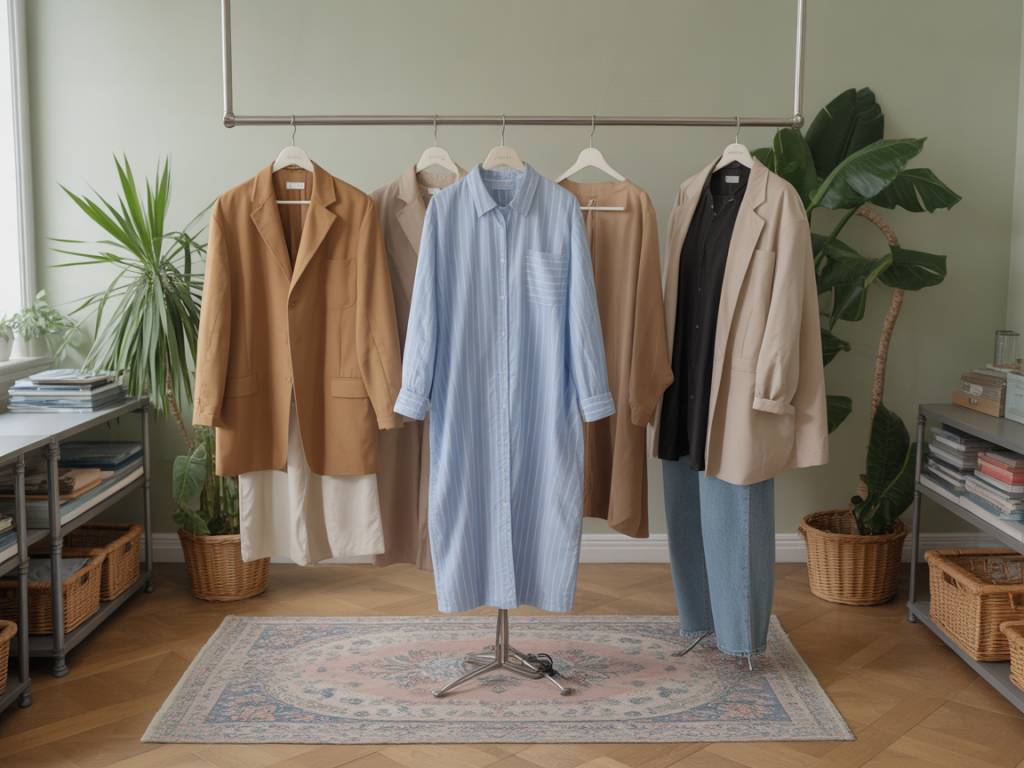
Circular fashion meets the digital revolution
The fashion industry is under growing scrutiny for its environmental impact. From water-intensive cotton production to synthetic fibers that shed microplastics, clothing has become one of the most resource-heavy and polluting consumer categories. In response, the concept of circular fashion has emerged, aiming to keep garments in use for as long as possible through repair, reuse and redistribution, rather than constant new production.
What is new today is how digital tools are accelerating this shift. Clothing repair apps, online swap platforms and peer-to-peer resale marketplaces are reshaping what it means to build an ethical wardrobe. They are making care, creativity and collaboration as important as purchasing power. For consumers who want to align style with sustainability, the smartphone has become a gateway into circular fashion.
From ownership to stewardship: a new mindset for wardrobes
Circular fashion is often described in technical terms – resource cycles, material loops, design for disassembly. But at the individual level, it starts with a mindset shift: moving from ownership to stewardship. Instead of seeing clothing as disposable, we begin to treat garments as assets with value that can be maintained, repaired, shared, resold or swapped.
Digital platforms are making this shift much more accessible. They turn what used to be niche or time-consuming activities – such as mending a torn seam, organizing a clothes swap with friends or selling a jacket you no longer wear – into streamlined, near-frictionless experiences.
For many users, this is less about becoming perfectly sustainable and more about making better choices, more often. Digital tools help lower the barriers: they remove some of the effort, uncertainty and social awkwardness that used to accompany second-hand or DIY repair, and they turn those actions into something normal, even aspirational.
Clothing repair apps: the return of mending in a digital format
One of the clearest signs that circular fashion is moving into the mainstream is the rise of clothing repair apps. These tools typically fall into three broad categories:
- Instructional repair apps offering tutorials, videos and step-by-step guides.
- Service platforms connecting users with professional tailors, cobblers and alteration services.
- Hybrid models that combine DIY guidance with the option to book professional help.
DIY-focused apps and platforms provide clear, searchable instructions for common issues: sewing on a missing button, darning a sock, repairing a broken zipper, patching a ripped knee on jeans or shortening a hem. Many include video content, visual diagrams and materials lists, making what used to be specialized knowledge widely accessible.
This is particularly important for younger consumers who may not have grown up with sewing skills at home. With a smartphone on the table next to the sewing kit, learning to repair clothes becomes an on-demand micro-course rather than an intimidating craft. Some apps even gamify the process, tracking the number of items saved from landfill or the estimated carbon emissions avoided through repair.
Service-based repair platforms operate more like gig-economy apps. Users upload photos of damaged items, receive quotes from nearby professionals and book pick-up or drop-off. Integrated payment systems, rating mechanisms and messaging features help build trust and transparency. For local repair businesses and independent makers, these platforms represent a new channel to reach customers who might otherwise default to replacing an item instead of mending it.
From an environmental perspective, repair apps help extend product life cycles, which is one of the most effective interventions to reduce a garment’s total impact. Studies consistently show that doubling the number of wears of an item substantially decreases its carbon and resource footprint per use. By simplifying the process of keeping clothes in circulation, repair platforms tap into this leverage point.
Online swap platforms: exchanging value instead of buying new
Beyond repair, digital technology is also revitalizing an old practice: swapping clothes. What once required organizing physical events, negotiating with friends or sifting through local bulletin boards now happens at scale through specialized online platforms.
Most clothing swap platforms are built around a few core functions:
- User profiles, often with style preferences, sizes and favorite brands.
- Photo-based listings for garments, accessories and sometimes shoes.
- An exchange mechanism – points, credits, direct swaps or token-based systems.
- Ratings and reviews to foster trust between participants.
Instead of spending money, users earn credits by listing items they no longer wear. Those credits can then be exchanged for other items on the platform, creating a closed loop of value that is not tied to constant production of new garments. Some services operate purely peer-to-peer, while others integrate curation, quality control or even cleaning and repair before items are re-listed.
These platforms appeal to several overlapping motivations. For environmentally conscious consumers, swapping offers a way to update their wardrobe without supporting high-impact production and overconsumption. For budget-focused users, it represents a cost-effective alternative to shopping new. And for fashion enthusiasts, it provides a way to experiment with styles and brands they might not normally be able to access.
International platforms expand the range of available pieces, but regional or city-based swap communities are also flourishing. Localization reduces transport distances and encourages community-building, sometimes linking digital platforms with in-person events where people can meet, exchange style tips and form networks around sustainable fashion.
Resale, rental and hybrid models: expanding the digital circular ecosystem
Clothing repair and swap tools exist alongside a broader constellation of digital services that all contribute, in different ways, to circular fashion.
Peer-to-peer resale platforms have become particularly influential. Users list garments directly, set their prices, communicate with buyers and ship items themselves. These platforms have normalized second-hand fashion as a legitimate alternative to buying new, especially in markets where thrift stores once carried a stigma. Many consumers now see resale as the default option when they are finished with an item, rather than storing it indefinitely or discarding it.
Clothing rental services, often accessible through apps, add another layer. By enabling temporary access to formalwear, maternity clothing or high-end fashion, they reduce the need to purchase items that would only be worn a handful of times. Some rental platforms incorporate repair and refurbishment as a standard part of their operations, keeping their inventory in circulation for as long as possible.
Hybrid models are emerging as well. Some brands now offer integrated approaches: when you buy an item, the accompanying app might provide care instructions, repair tutorials, a trade-in option and access to a brand-owned resale or rental marketplace. These services blur the line between traditional retail and circular platforms, and they reflect a growing recognition that long-term garment stewardship can be a competitive advantage.
Ethical wardrobes: beyond materials and labels
Building an ethical wardrobe is no longer just a question of choosing organic cotton or certified factories. While responsible materials and labor standards remain crucial, digital tools are expanding the definition of what it means to dress ethically.
An ethical wardrobe in the digital age often includes:
- Longevity: prioritizing well-made items and using repair services or apps to keep them in use.
- Circulation: regularly participating in swaps, resale or gifting instead of discarding unwanted garments.
- Information: using apps that disclose supply chain data, care recommendations and environmental footprints.
- Intentional purchasing: combining new purchases from responsible brands with second-hand finds and long-term staples.
For readers interested in aligning their shopping habits with these values, a practical approach might include a combination of tools:
- A repair app or nearby tailor located through a digital platform to handle alterations and mending.
- Membership on one or two clothing swap or resale apps, focused on categories you buy most often (for example, children’s clothes, workwear or outdoor gear).
- Use of digital wardrobe organizers that track how often items are worn, helping identify what you truly need – and what can be passed on.
Increasingly, brands are responding to these behaviors. Some partner directly with repair and resale platforms, others launch their own in-house services. For consumers, this growing ecosystem offers more choice, but also requires careful evaluation. The most meaningful change comes when digital tools genuinely extend product lifespans and reduce new production, rather than simply adding another layer of marketing.
Environmental and social impacts: what the data suggests
Quantifying the precise impact of digital circular fashion is complex, but several trends are emerging. Research indicates that extending the life of clothing by just nine months can significantly reduce waste, water use and carbon emissions per garment. Repair apps and services directly contribute to this extension.
Resale and swapping platforms also show tangible benefits when they displace the purchase of new items. However, their net impact depends on user behavior. If buying second-hand leads people to consume far more than they otherwise would, some of the benefits are eroded. That is why many responsible platforms now emphasize mindful consumption, not just bargains.
On the social side, repair and circular platforms can support local jobs and crafts. Tailors, cobblers and alteration specialists gain visibility and a broader customer base through digital marketplaces. Some apps collaborate with community sewing workshops, social enterprises or training programs, adding a dimension of social inclusion to circular fashion.
At the same time, there are challenges. The logistics behind online resale, swaps and rental – packaging, shipping, returns – can generate emissions and waste if not managed carefully. Digital tools do not automatically guarantee sustainability; they need to be designed and used with attention to these trade-offs.
Practical steps for integrating digital circular fashion into everyday life
For individuals looking to participate more actively in circular fashion using digital tools, a gradual, realistic approach is often more effective than sudden, radical changes. Some practical steps include:
- Start with repair: download a basic repair app or locate a trusted local professional through a digital directory. Commit to repairing at least one item instead of replacing it.
- Audit your wardrobe: use a wardrobe management app or a simple photo gallery to document what you own. This can reveal underused items perfect for resale or swaps.
- Choose one platform at a time: begin with either a resale app or a swap community that matches your style and region, rather than signing up for many at once.
- Set personal guidelines: for each item acquired through digital platforms, consider passing on another piece. This keeps volume under control and maintains focus on quality and utility.
- Look for integrated services: when buying new, consider brands that offer take-back, repair or resale support so that digital circular options are built into the garment’s future.
Over time, these habits can transform the way wardrobes are curated and maintained. The emphasis shifts from seasonal overhauls to ongoing care, thoughtful updates and shared resources.
Redefining value in fashion
Circular fashion in the digital age is not simply about downloading a few apps. It represents a broader redefinition of value in what we wear. Digital repair tools, swap platforms and resale marketplaces are helping consumers see clothing less as fast-moving commodities and more as resources that carry social, environmental and emotional significance.
For readers exploring this landscape, the most important step is often the first one: choosing to repair instead of discard, to swap rather than buy new, or to purchase an item designed to last and to circulate. The technology is already in our pockets; the opportunity lies in how we decide to use it.