Climate change is no longer a distant scientific warning or a topic reserved for policy debates and documentaries. It is already shaping the food we eat, the homes we live in, the places we travel to, and the bills we pay. The challenge is not just that the planet is warming; it is that the changes are happening faster, more unevenly, and with more everyday consequences than many people realize.
If you have ever wondered what facts about climate change actually matter in day-to-day life, this article is for you. Let’s cut through the noise and focus on the essentials: what is happening, why it matters, and what readers should know to understand the scale of the problem without getting lost in jargon.
The planet is warming because of human activity
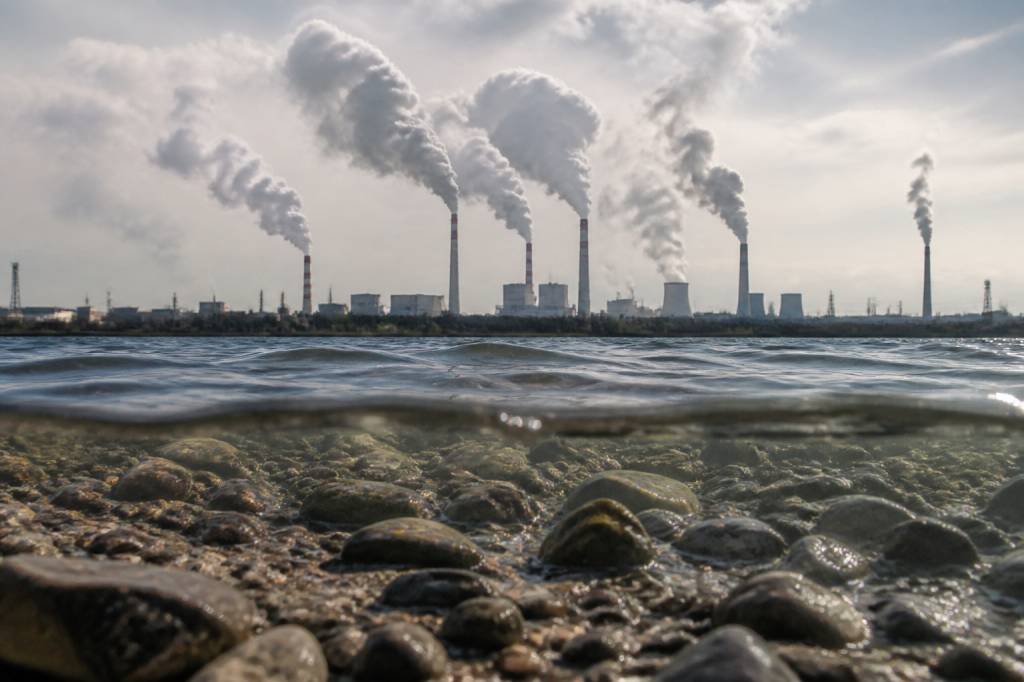
The most important fact is also the simplest: modern climate change is primarily caused by human activities, especially the burning of fossil fuels like coal, oil, and gas. When these fuels are burned, they release greenhouse gases such as carbon dioxide and methane. These gases trap heat in the atmosphere, creating a warming effect.
This is not a theory hanging by a thread. It is a well-established scientific finding supported by decades of observations, ice core data, satellite measurements, and physical models. The Earth’s climate naturally changes over time, but the current rate of warming is strongly linked to industrial emissions. In other words, this is not the planet “mysteriously overheating.” We know the mechanism, and we can trace the fingerprint back to human activity.
Here’s the part that should make everyone sit up: the atmosphere is now holding far more heat than it did before the industrial era, and most of that extra heat is being absorbed by the oceans. That means climate change is not just about hotter summers. It is about a system that is being pushed out of balance.
Every fraction of a degree matters
It is tempting to think that 1.5°C or 2°C of warming sounds minor. After all, that is a smaller temperature change than what many people experience between morning and afternoon. But when applied to the entire planet, those fractions are enormous.
A difference of a few tenths of a degree can mean more severe heatwaves, stronger rainfall events, longer wildfire seasons, greater stress on crops, and higher risks for ecosystems already under pressure. Climate systems do not respond in a neat, linear way. They can tip into new conditions once certain thresholds are crossed.
That is why international climate targets focus on limiting warming to well below 2°C and ideally 1.5°C above pre-industrial levels. These numbers are not arbitrary. They are based on research showing that the risks rise sharply beyond them. Think of it less like turning up a thermostat and more like nudging a giant machine toward instability.
Extreme weather is becoming more intense and more frequent
One of the clearest ways people experience climate change is through extreme weather. Heatwaves are becoming more dangerous. Heavy rainfall is leading to more flooding in many regions. Droughts are lasting longer. Some fire seasons are becoming more destructive. And while no single storm or wildfire is caused solely by climate change, a warmer world can make these events more intense or more likely.
Why does this happen? Warm air holds more moisture. That means storms can dump more rain. Higher temperatures also dry out soil and vegetation, increasing the risk of drought and fire. Meanwhile, warmer oceans can add energy to tropical storms. The result is a climate system that is not simply “changing” but amplifying extremes.
For readers, this matters because climate change is often discussed as a future problem, when in reality it is already affecting insurance costs, infrastructure, water supplies, and public health. A flooded road, a scorched forest, or a record-breaking heatwave is not just bad luck. It is often part of a larger pattern.
Oceans are paying a huge part of the bill
The oceans absorb most of the excess heat trapped by greenhouse gases. This is both helpful and alarming. Helpful, because it slows the rate of atmospheric warming. Alarming, because warmer oceans have cascading effects on marine life, weather patterns, and sea levels.
As seawater warms, it expands. That expansion contributes to sea-level rise, alongside melting glaciers and ice sheets. Even small increases in sea level can make coastal flooding more common, especially when combined with storm surges and high tides.
Warmer oceans also stress coral reefs, which are among the most biodiverse ecosystems on Earth. Coral bleaching occurs when rising water temperatures cause corals to expel the algae they depend on for food and color. Without action, repeated bleaching events can turn vibrant reefs into dead zones. For communities that rely on reefs for food, tourism, and coastal protection, that is not a distant ecological issue. It is an economic and human one.
Sea-level rise is already reshaping coastlines
Sea-level rise is one of the most visible long-term consequences of climate change. It does not always arrive dramatically. Sometimes it shows up as nuisance flooding during high tides, saltwater intrusion into farmland, or beaches that gradually shrink year after year.
But over time, the impacts can be profound. Low-lying islands and coastal cities face increasing pressure to adapt. In some places, roads and drainage systems are not designed for the water levels they now face. In agricultural regions, saltwater creeping into freshwater sources can threaten crops and drinking water.
There is a common misconception that sea-level rise only matters if you live right on the water. In reality, coastal supply chains, ports, and major transport hubs can all be affected. If global trade were a character in a story, sea-level rise would be the plot twist no one asked for.
The climate crisis is also a health crisis
Climate change affects human health in direct and indirect ways. Heat stress can be deadly, especially for older adults, children, outdoor workers, and people with existing medical conditions. Poor air quality worsens as wildfires become more frequent and intense. Higher temperatures can expand the range of some disease-carrying insects. Food and water systems can also be disrupted, increasing the risk of illness.
There is another layer here that often gets overlooked: mental health. People who experience floods, fires, storms, or prolonged climate anxiety may face stress, trauma, and uncertainty about their future. Farmers dealing with repeated crop failures are not just managing financial losses; they are facing a profound sense of instability.
This is why climate action is public health action. Cooling cities, improving air quality, protecting water resources, and reducing emissions are not separate goals. They are deeply connected.
Nature is both vulnerable and essential
Climate change does not only affect humans. It puts pressure on forests, wetlands, grasslands, freshwater systems, and the species that depend on them. Some plants and animals can adapt or move. Others cannot. When climate shifts happen too quickly, ecosystems struggle to keep up.
Forests may experience more drought stress and pest outbreaks. Wetlands, which store carbon and buffer floods, can be degraded by rising seas and changing rainfall. Species that rely on specific temperature ranges may lose habitat. And when ecosystems are damaged, the services they provide to people — from pollination to water filtration — become weaker too.
There is good news here as well: protecting and restoring ecosystems can help slow climate change and reduce its impacts. Mangroves, peatlands, and healthy forests store large amounts of carbon. Urban trees can reduce heat. Restored wetlands can absorb floodwaters. Nature is not a side note in climate strategy; it is one of the most effective tools we have.
Not all emissions come from the same places
When people talk about climate change, the phrase “everyone is responsible” comes up often. There is truth in that, but it needs context. Emissions vary widely depending on income, infrastructure, energy systems, and consumption patterns. A person flying frequently, driving a large fuel-intensive vehicle, and living in a poorly insulated home has a different footprint from someone relying on public transit in a compact city.
At the same time, major portions of global emissions come from a relatively small number of sectors: electricity production, heavy industry, transport, agriculture, and buildings. That means climate action cannot depend only on individual lifestyle tweaks. Personal choices matter, but systemic changes matter more.
This is where the conversation becomes practical. Better public transport, cleaner grids, efficient buildings, low-carbon materials, and smarter land use policies can cut emissions at scale. The challenge is not a shortage of solutions. It is the speed and reach of implementation.
Renewable energy is no longer niche
One fact that deserves more attention is how quickly renewable energy has grown. Solar and wind power have become far more affordable over the past decade, and in many places they are now among the cheapest sources of new electricity generation.
That does not mean the transition is easy. Energy systems need storage, upgraded grids, flexible demand, and better planning to handle variable supply. But the economics are changing fast. This matters because a cleaner energy system is one of the most effective ways to reduce emissions from transport, heating, and industry over time.
For readers, the key takeaway is straightforward: climate solutions are not science fiction. They are already being deployed. The question is not whether the tools exist. The question is whether societies will scale them quickly enough to match the pace of the problem.
Small actions help, but bigger levers matter most
It is easy to feel overwhelmed by climate facts. The problem is large, and no single action will solve it. But that does not mean individual choices are meaningless. They matter when they are aligned with structural change.
For example, reducing home energy use, switching to renewable electricity where available, eating more plant-based meals, and choosing lower-carbon transport options can all reduce emissions. These actions also signal demand for better systems. But the biggest climate wins often come from policy, investment, and infrastructure.
If you are wondering where to focus your attention, here is a useful rule of thumb: choose actions that reduce emissions and make low-carbon living easier for others too. That could mean supporting clean energy policies, voting for climate-focused leaders, improving your workplace sustainability practices, or backing companies that are genuinely reducing emissions rather than just polishing their marketing.
The future depends on choices made now
Climate change is not a puzzle with one magical answer. It is a broad challenge that touches energy, transport, food, land, housing, finance, and health. The facts can feel heavy, but they also point toward something important: we already know enough to act.
We know the planet is warming. We know the causes. We know the risks of delay. And we know many of the solutions, from cleaner energy and better buildings to ecosystem protection and climate-smart cities. The missing ingredient is not knowledge. It is speed, coordination, and political will.
For readers, the most useful mindset is not denial and not doom, but clarity. Climate change is serious, measurable, and already reshaping the world. It is also a problem with real solutions that can improve health, resilience, and quality of life along the way. That is the part worth remembering the next time someone shrugs and says, “It’s probably not that bad.”
It is bad enough to demand action. And we know enough now to make that action smarter, faster, and far more effective.