


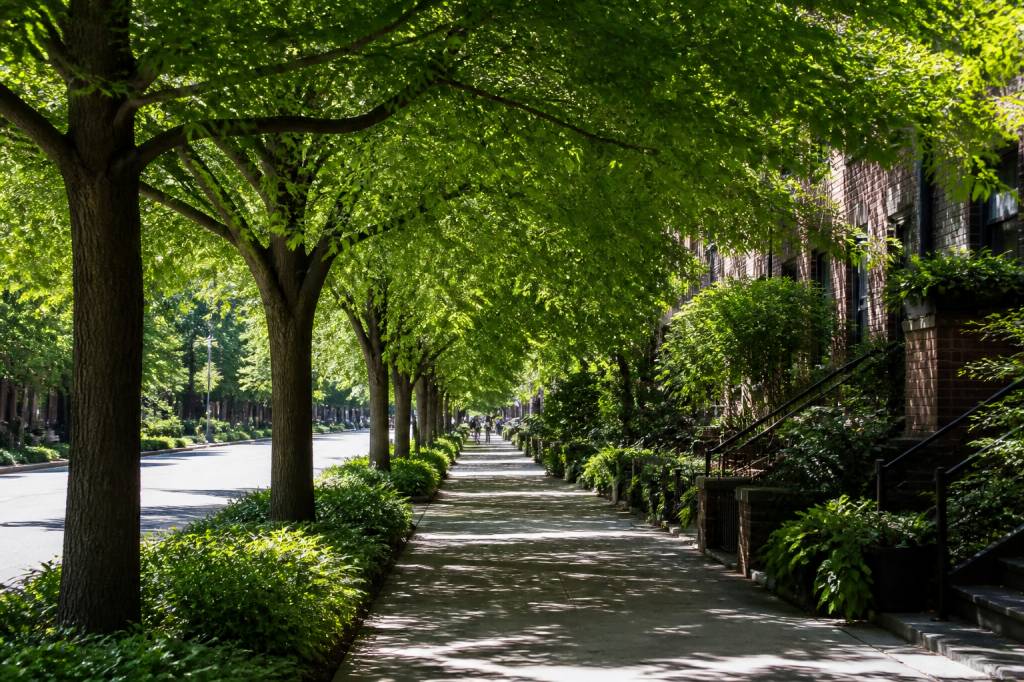
In a city, a tree is rarely just a tree. It is a bit of shade on a scorching sidewalk, a sponge for stormwater, a filter for polluted air, a refuge for birds, and—less visibly—a small but powerful piece of climate infrastructure. If that sounds like a lot to ask from one living organism, that’s because it is. And yet, urban trees deliver. Quietly, season after season.
As climate change intensifies heat waves, floods, and air pollution in urban areas, cities are rediscovering something communities have known for centuries: cool trees are one of the most effective, low-tech solutions we have. They don’t need a battery, a software update, or a pilot project with a flashy launch event. They just need space, water, and a little long-term care.
Why trees make cities cooler
Anyone who has walked from a treeless plaza into a shaded street on a summer afternoon knows the difference instantly. That drop in temperature is not an illusion. Trees cool cities in two main ways: by blocking direct sunlight and by releasing water vapor through their leaves, a process called evapotranspiration.
Shade is the immediate effect. When tree canopies cover pavement, walls, and windows, those surfaces absorb less heat. That matters because urban materials like asphalt and concrete store solar energy during the day and release it slowly at night, creating the dreaded urban heat island effect. In some cities, that can mean nighttime temperatures stay dangerously high, especially in neighborhoods with fewer trees and more hard surfaces.
Evapotranspiration adds another layer. As trees draw water from the soil and release it through their leaves, they cool the surrounding air. Think of it as nature’s version of air conditioning—without the electricity bill, and with far more biodiversity.
Studies repeatedly show that tree-lined streets and parks can be several degrees cooler than nearby treeless areas. The exact difference depends on species, canopy density, climate, and local design, but the direction is always the same: more canopy, less heat.
The health benefits go far beyond shade
Cooler streets are not just more pleasant. They are safer. Extreme heat is a serious public health risk, linked to dehydration, heat exhaustion, heart strain, and higher mortality, especially among older adults, children, and people with pre-existing conditions. In dense urban neighborhoods, trees can reduce exposure to dangerous temperatures and make outdoor spaces usable during more of the year.
There is also an equity dimension here. Heat does not affect every neighborhood equally. Areas with lower incomes often have fewer trees, more paved surfaces, and less access to parks. In other words, the places that already face environmental burdens are frequently the hottest too. Planting and protecting urban trees is therefore not only a climate strategy; it is a public health and justice strategy.
And the benefits keep stacking up:
- Trees help reduce ozone formation by lowering temperatures, which can improve air quality.
- They capture airborne particles on their leaves and bark, helping filter pollution.
- They encourage walking and cycling by making streets more comfortable.
- They support mental well-being by adding greenery and visual relief to dense urban environments.
It’s hard not to notice the difference. A shaded street invites people to linger, talk, and move around on foot. A bare, heat-radiating corridor tells them to hurry through and get back inside. Cities are made of many things, but the quality of everyday life often comes down to details like this.
How trees help cities handle heavy rain
Climate resilience is not only about surviving heat waves. It is also about managing intense rainfall, which is becoming more common in many regions. Here too, trees play a crucial role.
Their canopies intercept rain before it reaches the ground, slowing the flow and reducing the amount that runs off immediately into drains and waterways. Their roots also improve soil structure, allowing more water to infiltrate rather than flood streets and overwhelm stormwater systems. In practical terms, a healthy urban tree can act like a small piece of green infrastructure embedded in the city fabric.
This matters because many cities are built with too much impermeable surface and too little natural absorption. When heavy rain hits, water has nowhere to go. The result: flooded intersections, sewer overflows, and damage to homes and businesses. Trees cannot solve the problem alone, but they can significantly reduce pressure on drainage systems when they are part of a broader design that includes permeable pavements, rain gardens, and restored soils.
Here’s the useful part: tree benefits are cumulative. A single tree helps, but a connected canopy across streets, parks, schoolyards, and parking lots can transform how a district handles climate stress.
Not all urban trees are equal
Planting any tree anywhere is not a smart strategy. Some species thrive in city conditions; others struggle. Some root systems are well adapted to compacted soil, heat, and pollution; others are fragile. And some species provide dense shade without creating major maintenance headaches, while others drop branches or conflict with sidewalks and utilities.
Choosing the right tree means considering the local climate, available space, expected drought conditions, and long-term canopy goals. Small ornamental trees may be useful in tight streets, but they will not replace the cooling power of large-canopy species where there is room for them. Urban forestry is as much about design as it is about ecology.
Good tree planning usually asks a few practical questions:
- How much space is available above and below ground?
- Will the tree have enough water during establishment and future dry periods?
- Is the species suited to hotter summers and more erratic rainfall?
- Can it coexist with sidewalks, pipes, overhead wires, and buildings?
- Does it support local wildlife as well as human comfort?
It’s tempting to treat tree planting as a quick symbolic act. But if the goal is climate resilience, survival matters more than photo opportunities. A sapling planted with fanfare and forgotten by August is not urban forestry. It is a very small tragedy.
The hidden work: soil, water, and maintenance
One of the biggest mistakes cities make is assuming the tree itself is the whole solution. In reality, trees are only as healthy as the environment around them. Compacted soil, restricted root zones, salt exposure, and insufficient watering can all shorten a tree’s life.
That’s why successful urban tree programs pay attention to the unglamorous basics: soil volume, mulching, irrigation during establishment, protection from vehicles, and regular inspections. Mature trees provide the most benefits, so keeping young trees alive long enough to become large canopy trees is essential.
Maintenance is not a minor detail. It is the difference between a line item and a living asset. Cities that invest in long-term care tend to get far better returns from their green infrastructure than places that focus only on planting targets.
There’s also a misconception that native species are always easy to use in cities. Native trees are often excellent choices, especially for biodiversity, but they still need to match local conditions. The smartest approach is usually functional and site-specific: select species that are ecologically valuable, climate-adapted, and structurally suited to the urban environment.
Cool trees and climate resilience in practice
Across the world, cities are using trees as part of larger resilience plans. In hot, dense neighborhoods, canopy expansion is being paired with cool roofs and reflective streets to reduce heat stress. In flood-prone districts, street trees are integrated with bioswales and rain gardens to manage runoff. Around schools and hospitals, shade trees are being prioritized because they protect people who are especially vulnerable to heat.
Some of the most effective examples are not grand parks but ordinary streets redesigned with trees in mind. A widened planting strip here, a shade tree near a bus stop there, and suddenly a transit corridor becomes more usable in summer. That matters for daily life. If people can wait for a bus without feeling like they are standing inside a toaster, public transport becomes a more realistic choice.
Urban trees also support climate resilience by reducing energy demand. Shaded buildings need less air conditioning, which lowers electricity use and can reduce peak load on the grid during heat waves. That is a quiet but important benefit: trees help cities cope with the very spikes in energy demand that climate extremes tend to create.
The biodiversity bonus
Let’s not forget that cities are part of ecosystems, not separate from them. Urban trees provide habitat and food for birds, pollinators, insects, and small mammals. Even isolated green corridors can help wildlife move through dense urban areas.
For people, that means more than pleasant birdsong. Biodiverse urban forests tend to be more resilient themselves. A city made up of only a few tree species is vulnerable to pests, disease, and climate stress. A more diverse canopy spreads risk and supports a richer urban ecology.
In that sense, tree planting should be less about creating rows of identical saplings and more about building living systems. Variety matters. So does connectivity. So does patience.
What citizens can do
You do not need to be a city planner to support urban trees. Residents, tenants, and community groups can make a real difference, especially when they combine local action with policy pressure.
Useful actions include:
- Requesting trees for streets, schoolyards, and public transit stops.
- Volunteering to water and mulch young trees during dry periods.
- Supporting local ordinances that protect mature trees during development.
- Advocating for tree planting in heat-vulnerable neighborhoods first.
- Choosing native or climate-resilient species in private yards and shared courtyards.
- Backing community groups that maintain urban green spaces year-round.
One of the most effective things a resident can do is ask a practical question: how will this tree be cared for after planting? That simple follow-up can improve outcomes more than another round of ceremonial shovels.
What cities should do next
For city governments, the path forward is clear: treat trees as infrastructure. That means mapping canopy gaps, prioritizing heat-vulnerable areas, funding maintenance, and integrating trees into transport, housing, and stormwater planning.
It also means measuring outcomes. How much cooler are shaded streets? Which neighborhoods gained canopy cover? Which species survived the hottest summers? Which planting methods worked best? Cities that track these questions can refine their strategies instead of repeating avoidable mistakes.
The most successful urban tree programs usually share a few traits:
- They prioritize long-term survival over short-term planting numbers.
- They focus on equity and target under-canopied neighborhoods.
- They coordinate tree planting with water, soil, and street redesign.
- They protect mature trees, which deliver the biggest benefits.
- They involve local communities in stewardship and planning.
That last point matters a lot. Trees are public goods, but they also become part of neighborhood identity. People defend what they help care for.
A simple climate solution with deep roots
In a world full of high-tech climate promises, trees can seem almost too ordinary. But their value is precisely in that ordinariness. They are proven, scalable, and multi-functional. A healthy tree cools the air, reduces runoff, supports wildlife, improves public space, and helps people live more comfortably in a warming city.
Of course, trees are not a substitute for cutting emissions, improving housing, or redesigning cities for lower-carbon living. But they are one of the clearest examples of a solution that works with nature rather than against it. And in a climate era defined by compounding risks, that makes them indispensable.
So the next time you pass under a broad canopy on a hot day, consider what is really happening overhead. That shade is not an accident. It is resilience in action—leaf by leaf, branch by branch, street by street.