


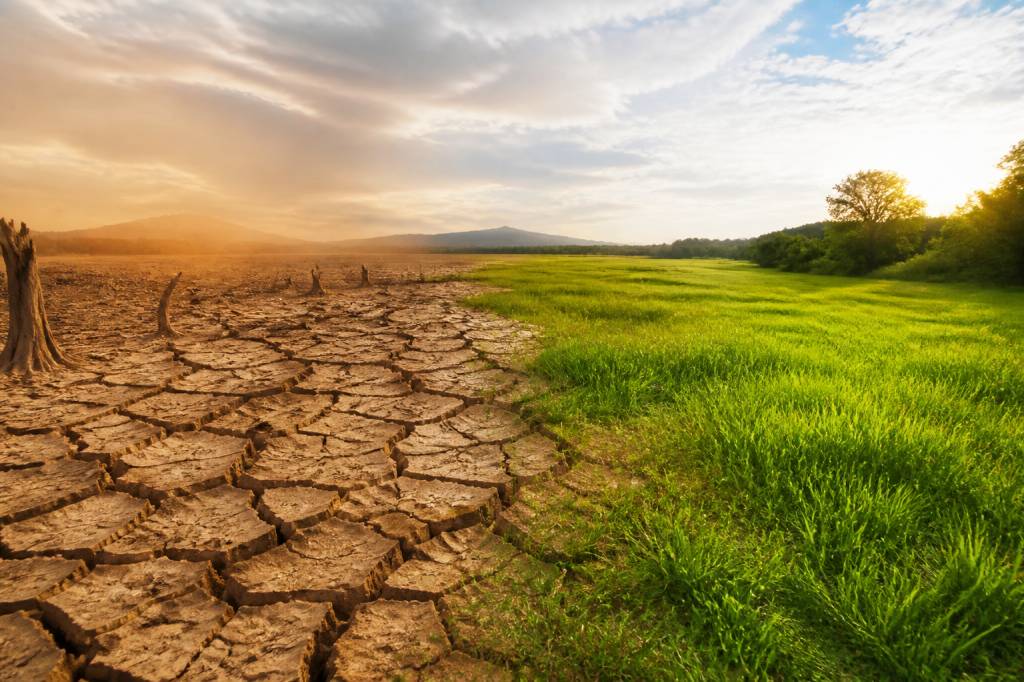
Climate change is no longer a distant scenario or a topic reserved for scientific reports and summit speeches. It is already shaping the weather we experience, the food we eat, the places we live in, and the choices governments and businesses must make. So what are the facts every reader should know?
Let’s strip away the noise, the political spin, and the internet myths. Here are the essential, evidence-based facts about climate change, explained in plain language and grounded in what scientists have observed for decades.
The planet is warming, and the trend is unmistakable
The most basic fact is also the most important: Earth is getting warmer. Global average temperatures have already risen by roughly 1.2°C compared with pre-industrial levels. That may not sound dramatic in everyday terms, but for a planetary system, it is huge. A small increase in average temperature can trigger major changes in rainfall patterns, sea levels, ecosystems, and extreme weather.
Why does this matter? Because climate is not just about temperature on a single hot day. It is the long-term pattern that shapes everything from growing seasons to glacier stability. A warmer baseline changes how the whole system behaves.
And the warming is not evenly distributed. Land areas warm faster than oceans, and the Arctic warms faster than the global average. This is why polar ice loss and thawing permafrost have become such urgent concerns. Climate change does not arrive politely and evenly; it accelerates in the places most sensitive to heat.
Human activity is the main driver
The science on this point is remarkably clear. The primary cause of current climate change is the increase in greenhouse gases released by human activities, especially carbon dioxide, methane, and nitrous oxide. These gases trap heat in the atmosphere, intensifying the natural greenhouse effect.
Where do they come from?
-
Burning coal, oil, and gas for electricity, transport, and industry
-
Deforestation, which removes trees that absorb carbon dioxide
-
Agriculture, especially livestock and fertilizer use
-
Industrial processes such as cement production
Volcanoes, the sun, and natural climate cycles do influence the Earth’s climate. But they do not explain the rapid warming observed over the last century. If you want one fact that matters above all others, it is this: the current warming trend is overwhelmingly linked to human emissions.
Carbon dioxide lingers for a very long time
One reason climate action is urgent is that carbon dioxide is stubborn. Once emitted, some of it remains in the atmosphere for hundreds to thousands of years. That means today’s emissions do not disappear when the headlines move on.
Think of it like this: turning on a tap is easy. Emptying the bathtub? That takes effort. The atmosphere is the bathtub, and every year we keep filling it with heat-trapping gases. Even if emissions stopped tomorrow, some of the warming already set in motion would continue for decades.
This is why climate change is both a present-day issue and a long-term inheritance. The choices made now will influence the climate experienced by children, grandchildren, and beyond.
Extreme weather is becoming more intense in many regions
Climate change does not cause every storm, flood, or heatwave. But it does change the odds and intensity of many extreme events. That is the key distinction. A warmer atmosphere can hold more moisture, which can increase the risk of heavy rainfall and flooding. Higher temperatures also make heatwaves more frequent, longer-lasting, and more dangerous.
Some impacts are easy to miss if you only look at one event at a time. But over time, the pattern becomes hard to ignore:
-
More severe heatwaves in many parts of the world
-
Longer wildfire seasons in drier regions
-
Heavier rainfall events and flash flooding
-
Stronger drought stress in vulnerable agricultural areas
A practical example: a city designed around historical weather patterns may no longer be prepared for today’s rainfall intensity or summer heat. Drainage systems overflow. Roads buckle. Air conditioning demand spikes. Public health systems are stretched. Climate change is not abstract; it is infrastructure stress, one hot summer at a time.
Sea levels are rising, and the rise is accelerating
Global sea levels are increasing because of two main processes: melting land ice, such as glaciers and ice sheets, and the expansion of seawater as it warms. This may sound slow, but even gradual sea-level rise has serious consequences when combined with storms, high tides, and coastal erosion.
Low-lying coastal communities, islands, and delta regions are especially at risk. Saltwater can contaminate freshwater supplies and agricultural land. Homes become harder to insure. Entire neighborhoods may face repeated flooding. In some places, adaptation is possible. In others, retreat becomes unavoidable.
It is tempting to imagine sea-level rise as a problem for the far future. In reality, many coastal areas are already dealing with it now. The question is not whether sea levels will rise; they are rising. The question is how fast, and how much societies will prepare.
Nature is responding, but not always in time
Ecosystems are under pressure from rising temperatures, shifting rainfall, ocean warming, and acidification. Some species can move or adapt. Many cannot. That creates winners and losers, but not in any comforting sense.
Examples of climate-driven ecological change include:
-
Coral bleaching caused by warmer ocean temperatures
-
Earlier flowering and migration times in some species
-
Pest outbreaks expanding into new regions
-
Forest stress from drought and heat
Nature is resilient, but resilience has limits. A forest can recover from a fire. A coral reef can recover from stress. But repeated shocks, without enough time to regenerate, can push ecosystems beyond recovery. And when ecosystems shift, human livelihoods often shift with them.
Climate change affects health, not just the environment
One of the most underappreciated facts about climate change is how directly it affects human health. Heat stress can be deadly, especially for older adults, children, outdoor workers, and people with pre-existing conditions. Poor air quality worsens respiratory illness. Flooding increases the risk of waterborne disease. Food insecurity rises when crops fail.
There is also the mental health dimension. After floods, wildfires, or prolonged droughts, many people experience anxiety, trauma, and grief. That emotional burden is real, even if it is harder to quantify than temperatures or emissions.
In short, climate change is not a separate issue from public health. It is a public health issue.
Not all regions are affected in the same way
Climate change is global, but its impacts are uneven. Some regions face greater heat stress. Others face water scarcity, stronger storms, or crop losses. Vulnerability depends on geography, infrastructure, income, governance, and access to resources.
This is why climate justice matters. The countries and communities that have contributed least to historical emissions are often the ones facing the harshest impacts. Meanwhile, wealthier populations usually have more capacity to adapt, at least for now. That imbalance raises an uncomfortable but essential question: who bears the cost of a problem they did not create?
There is no credible climate policy without fairness. Adaptation, finance, and loss-and-damage support are not optional extras. They are part of the solution.
Every fraction of a degree matters
It is easy to think that 1.5°C, 2°C, or 2.5°C is a minor difference. In reality, each fraction of a degree adds risk. More heat. More melting. More drought. More coastal flooding. More pressure on ecosystems and livelihoods.
This is why climate scientists emphasize limiting warming as much as possible, not just “slowing it down.” A world that warms by 1.5°C is not safe, but it is significantly less dangerous than one that warms by 2°C or more. That difference translates into lives, infrastructure, ecosystems, and economic losses.
If climate change were a thermostat, we would already be in the danger zone. The further the temperature rises, the fewer options remain.
Misconceptions still slow action
Despite the evidence, a few myths keep resurfacing. It helps to address them directly.
-
“Climate has always changed.” True, but the current rate of warming is unusually rapid and linked to human activity.
-
“It’s too late to do anything.” False. Every tonne of emissions avoided matters. Every degree of warming prevented matters.
-
“Technology will fix it automatically.” Not on its own. Technology helps, but policy, behavior change, and investment are also essential.
-
“One person can’t make a difference.” Individual action matters, especially when it influences markets, politics, and social norms. But systemic change is what moves the needle fastest.
Climate misinformation often relies on making the problem seem either fake or hopeless. Neither is true. The challenge is real, and so are the solutions.
Solutions already exist
There is a frustrating myth that climate solutions are vague, futuristic, or too expensive. In reality, many of the tools are already available. What is often missing is scale and speed.
Some of the most effective responses include:
-
Expanding renewable electricity such as wind and solar
-
Improving energy efficiency in buildings, transport, and industry
-
Electrifying transport and heating where possible
-
Protecting and restoring forests, wetlands, and soils
-
Reducing methane emissions from energy, waste, and agriculture
-
Designing cities for low-carbon mobility and climate resilience
Many of these measures save money over time, improve air quality, and create jobs. Climate action is often framed as sacrifice. In practice, it is increasingly about upgrading the systems we already depend on.
What readers can take from this
The most important facts about climate change are not just scientific; they are practical. The planet is warming because of human activity. The impacts are already visible. Risks increase with every fraction of a degree. And the solutions, while demanding, are within reach.
If there is one mindset worth keeping, it is this: climate change is not a reason for paralysis. It is a reason for clarity. Once you understand what is happening, the next step becomes more obvious. Support better policy. Reduce waste. Choose cleaner energy when possible. Pay attention to how products, travel, food, and infrastructure shape emissions. Ask better questions of leaders and companies.
And if the pace of change feels overwhelming, remember that climate progress rarely comes from a single dramatic gesture. It comes from a thousand concrete decisions, repeated and scaled. Not glamorous, perhaps. But very effective.
That is the real story behind the science: the facts are serious, but they are not an excuse for despair. They are a map. And maps are most useful when people actually use them.