


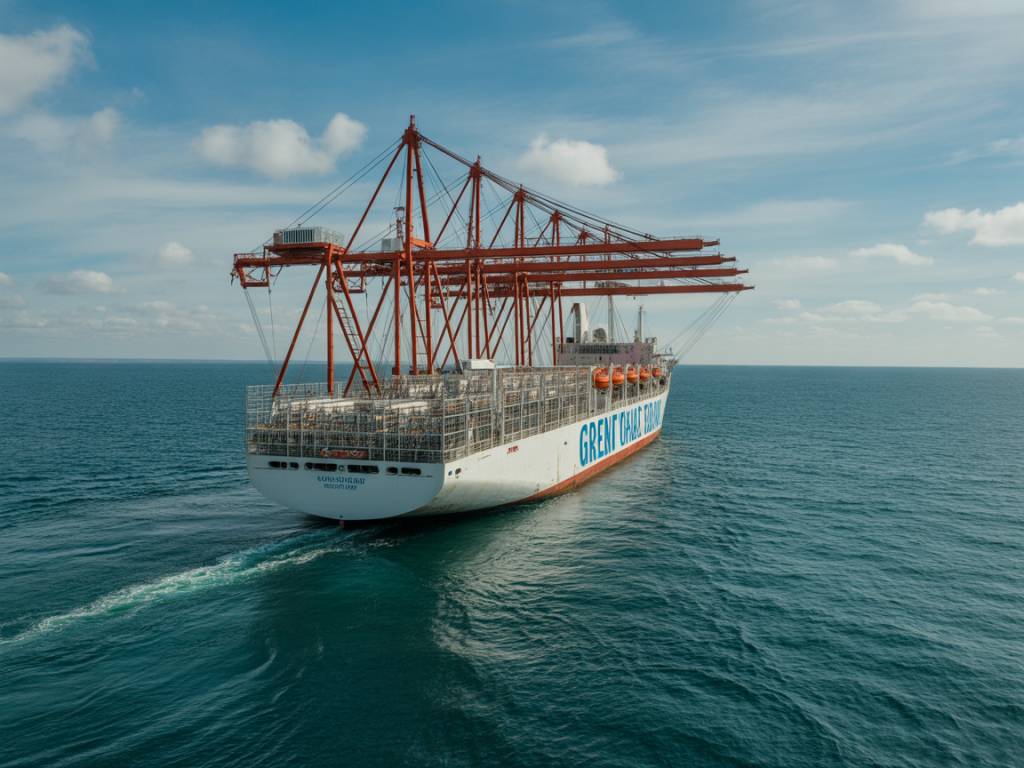
From carbon-intensive cruising to regenerative ocean travel
For decades, maritime tourism has been synonymous with excess: gigantic cruise ships, heavy fuel oil, towering emissions, and port cities overwhelmed by waves of visitors. As awareness of the climate and biodiversity crises grows, the cruise industry’s environmental footprint is under intense scrutiny. Against this backdrop, a quiet but profound shift is taking place at sea: the revival of wind and sail as serious answers to modern shipping and tourism challenges.
“Regenerative ocean travel” is an emerging concept that goes beyond merely reducing harm. Its ambition is larger: to help restore marine ecosystems, support coastal communities, and decarbonise logistics and leisure at the same time. Wind‑powered cargo ships and sailing cruises sit at the centre of this movement — but how far can they really go in transforming one of the world’s most polluting sectors?
Why maritime tourism needs a fundamental reset
International shipping is responsible for nearly 3% of global CO₂ emissions. While cargo vessels move most of the world’s goods, cruise ships occupy a far more visible place in public debate. Per passenger, a large cruise ship can emit as much CO₂ as a long‑haul flight, and that is before counting other impacts such as waste, air pollution in port cities, underwater noise, and pressure on fragile coastal ecosystems.
Key environmental issues associated with conventional maritime tourism include:
- Greenhouse gas emissions: Most large vessels still run on heavy fuel oil or marine diesel, with limited uptake of cleaner alternatives.
- Air pollution: Sulfur oxides (SOx), nitrogen oxides (NOx), and particulate matter harm human health, particularly in port communities.
- Marine pollution: Wastewater, greywater, bilge water and solid waste can contaminate marine habitats if not properly managed.
- Underwater noise: Constant engine and propeller noise disrupts marine mammals’ communication and navigation.
- Overtourism: Sudden inflows of thousands of passengers overwhelm small ports and heritage sites, straining local infrastructure.
The challenge is clear: incremental improvements such as higher efficiency or scrubbers are not enough. To match global climate goals and halt biodiversity loss, the sector needs structural change — which brings the conversation back to an ancient, still abundant energy source: wind.
Wind‑powered cargo: old technology meets new urgency
Wind propulsion is as old as seafaring itself, yet it is now being reconsidered with fresh eyes and modern tools. A new generation of “wind‑assisted” and fully sail‑powered cargo ships is emerging, combining traditional masts and sails with advanced materials, automation, and digital routing.
Different technologies are being tested and, in some cases, already deployed on commercial routes:
- Rigid wing sails: Aerofoil-shaped sails made from composites or aluminium, which can automatically adjust to wind conditions and provide significant thrust.
- Kites and parafoils: Giant computer‑controlled kites flying high above the vessel, where winds are often stronger and more stable.
- Rotor sails (Flettner rotors): Spinning cylinders that use the Magnus effect to generate lateral thrust, reducing engine load.
- Modern soft sails: Traditional-looking sails made from advanced fabrics, integrated with automated winches and sensors.
Pioneering companies are already moving beyond prototypes. Several vessels transporting commodities such as grain, bio‑fuel, or manufactured goods now feature wind‑assist systems that can cut fuel consumption by 10–30%, depending on route and conditions. A smaller but growing group is pushing towards near‑zero‑emission transport using fully sail‑powered cargo schooners and brigs, often focused on premium, low‑volume goods such as coffee, chocolate, and wine.
For environmentally conscious consumers, these wind‑carried products provide a tangible way to support regenerative logistics. When a bag of coffee or a bottle of rum is shipped under sail across the Atlantic, it embodies a deliberate choice: slower, cleaner, and often directly tied to fair trade relationships with producers.
Slow commerce: what sail cargo can offer to consumers
Choosing goods transported by sail is not merely a symbolic gesture. It supports a different economic logic, one that values time, traceability, and relationships more than just cost per container. Many sail cargo initiatives publish detailed logs of their voyages, share crew stories, and document ports of call, offering a level of transparency rare in globalised trade.
For consumers and small businesses, sail‑transported products can provide:
- Verified low‑carbon shipping: Emissions are often calculated and shared openly, with clear documentation of wind‑powered miles.
- Stronger producer partnerships: Long‑term contracts with smallholder farms, craft distilleries, and cooperatives are common within this niche market.
- Story‑rich products: The journey becomes part of the product’s identity, sometimes with QR codes linking to ship logs, maps, or crew diaries.
- Signals to the market: Each purchase helps demonstrate demand for cleaner shipping, potentially influencing larger industry players.
The main trade‑off is speed. Sail cargo can take weeks longer than container ships on the same route. For many products, especially non‑perishables, this is entirely manageable. Yet it challenges a cultural expectation of instant availability and “just‑in‑time” delivery, inviting both producers and consumers to embrace a more seasonally attuned, patient form of commerce.
Sailing cruises: a quieter vision of maritime tourism
Parallel to wind‑powered cargo, a new wave of sailing‑focused tourism is emerging as an alternative to mega‑cruises. These experiences range from small expedition yachts and traditional tall ships to modern sailing catamarans, often equipped with electric or hybrid engines for manoeuvres and calm days.
The environmental advantages of sail‑based tourism, when designed thoughtfully, can be significant:
- Lower operational emissions: A large share of propulsion energy can come from wind, especially on itineraries tailored to seasonal wind patterns.
- Reduced noise and disturbance: Under sail, vessels are markedly quieter, lessening noise pollution and wildlife disturbance.
- Smaller group sizes: Many sailing trips carry a few dozen passengers or fewer, easing pressure on local infrastructure compared to conventional cruise ships.
- Closer connection to the sea: Passengers often participate in sailing activities, fostering awareness of marine conditions and vulnerabilities.
Some operators explicitly frame their voyages as citizen‑science expeditions, inviting guests to help with plankton sampling, microplastic surveys, or cetacean monitoring. Others focus on immersive cultural encounters with coastal communities, local food systems, and marine protected areas, with strict visit protocols and environmental guidelines.
When is a sailing cruise truly regenerative?
Using sails does not automatically make a trip sustainable. The concept of regenerative ocean travel requires a more comprehensive approach that considers the entire lifecycle of the vessel, the itinerary, the onboard practices, and the economic relationships with host communities.
Elements that move a sailing cruise closer to regenerative practice include:
- Low‑impact propulsion systems: Electric drives charged by wind, solar, or shore power; avoidance of heavy fuel oils; thoughtful use of backup engines.
- Responsible itineraries: Routes that avoid sensitive breeding or feeding areas, limit visitor numbers, and respect local conservation rules.
- Waste and water management: Advanced onboard treatment of wastewater, avoidance of single‑use plastics, and careful provisioning to minimise waste.
- Fair local partnerships: Working with local guides, suppliers, and small businesses under clear, equitable contracts.
- Education and engagement: Onboard programmes about marine ecology, climate, and culture that encourage informed, respectful behaviour.
- Transparent reporting: Publicly sharing environmental data such as fuel use, emissions, and conservation contributions.
Some operators now publish annual impact reports, measure their carbon footprint, and support marine restoration projects, such as seagrass or mangrove planting and coral reef rehabilitation. While such measures must be carefully monitored to avoid “bluewashing”, they indicate an evolving sense of responsibility within parts of the sector.
Barriers to scale and systemic limitations
Despite hopeful examples, there are practical and structural limits to what wind‑powered cargo and sailing tourism can achieve on their own.
For shipping, the constraints are tangible:
- Space and stability: Sails and rotors require deck space and affect vessel stability, limiting their use on certain ship types.
- Route and schedule rigidity: Commercial shipping demands predictable arrival times; wind‑based systems perform best with flexible routing.
- Capital costs: Retrofitting existing ships or building new wind‑ready vessels requires significant investment, though fuel savings can offset costs over time.
- Regulatory frameworks: Current rules and port infrastructures are still largely designed around fossil‑fuelled vessels.
For tourism, scaling up sailing‑based travel introduces its own dilemmas. The appeal of small‑scale, wind‑powered voyages lies partly in their intimacy and limited environmental footprint. If demand grows sharply without careful regulation, the industry could replicate some of the same pressures seen in mass tourism, from anchoring damage in fragile bays to crowding in popular marine parks.
There is also the question of accessibility. At present, regenerative-style sailing experiences often cost more than mainstream cruises, reflecting higher labour intensity, smaller group sizes, and investments in cleaner technology. Making this form of travel more widely accessible without eroding its environmental integrity remains a key challenge.
How travellers and consumers can support regenerative ocean initiatives
While systemic change depends on policymakers, financiers, and industry leaders, individual choices do send important signals. Travellers and buyers who wish to support regenerative ocean approaches can act on several fronts.
For those planning maritime holidays:
- Seek out operators that use wind as a primary propulsion source and clearly describe their energy systems.
- Ask for transparent information about emissions, waste management, and conservation partnerships.
- Prefer smaller vessels and itineraries that spend more time under sail and less time in crowded ports.
- Look for trips that include genuine local collaboration and fairly compensated guides, cooks, and suppliers.
- Offset only as a last step, after doing everything possible to reduce the trip’s actual footprint.
For those interested in supporting wind‑powered cargo:
- Buy products explicitly transported by sail, such as coffees, teas, chocolates, wines, or rums carried on wind‑powered ships.
- Support retailers and brands that disclose shipping methods and invest in cleaner logistics.
- Be open to seasonal availability and slightly longer delivery times as part of a slower, more thoughtful consumption pattern.
- Engage with producers and ship operators through newsletters, logs, or events to better understand the realities of low‑carbon trade.
A new relationship with the sea
Wind‑powered cargo ships and sailing cruises alone will not decarbonise global trade or fully transform maritime tourism. Yet they are powerful laboratories for a different relationship with the ocean — one in which the sea is not just a backdrop for leisure or a highway for goods, but a living system with limits, rhythms, and rights of its own.
Regenerative ocean travel invites a shift in expectations: slower voyages instead of instant arrival; smaller groups instead of floating cities; active participation instead of passive consumption. It relies on technologies that are both ancient and advanced, and on a set of values that place ecological integrity and community benefit at the centre of the maritime experience.
For travellers and consumers, choosing wind‑powered routes — for holidays or for the products they buy — is not a perfect solution, but it is a tangible step towards maritime journeys that do more than just minimise harm. It is an invitation to rediscover the sea as a partner rather than a resource, and to help steer one of the world’s oldest industries onto a more resilient, restorative course.