Deforestation is still accelerating, and the numbers are hard to ignore
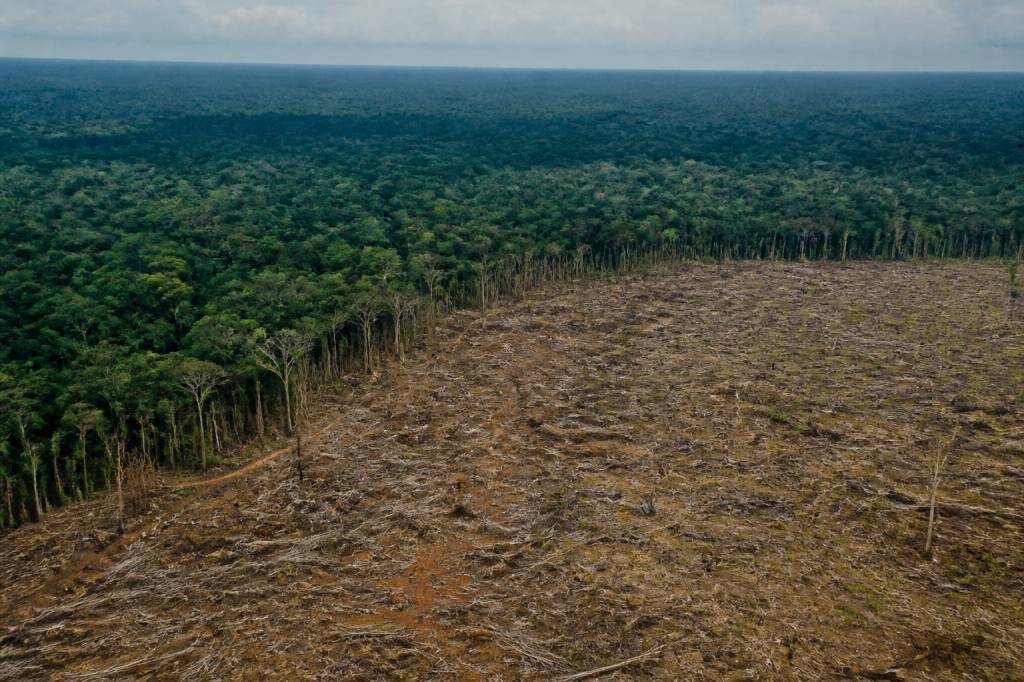
Deforestation is one of those environmental issues that can feel distant until you look more closely. A forest cleared for cattle, soy, timber, or infrastructure is not just a patch of trees disappearing on a satellite map. It is a shift in climate regulation, biodiversity, water cycles, and local livelihoods. In other words, it is a chain reaction.
For eco-conscious readers, understanding deforestation is not about memorizing alarming statistics for the sake of it. It is about seeing how a seemingly local land-use decision can ripple across the planet. If you care about climate action, ethical consumption, or the future of nature-based communities, this is one topic worth knowing well.
What deforestation actually means
Deforestation is the permanent removal of forest cover, usually to make way for agriculture, logging, mining, roads, or urban expansion. It is not the same as a forest being temporarily disturbed. A healthy forest can regenerate after selective logging or wildfire. Deforestation, by contrast, often replaces a living ecosystem with something else entirely.
That distinction matters. A forest is not just a collection of trees. It is a layered system of roots, fungi, insects, birds, mammals, soil microbes, and moisture cycles working together. Remove enough of that structure, and you lose much more than shade.
We are still losing forests at an alarming scale
Here is the headline fact: the world continues to lose forest cover at a significant pace. According to the Food and Agriculture Organization, around 10 million hectares of forest are lost each year globally, on average. That is an area roughly the size of Iceland disappearing annually.
Some regions have seen progress in slowing net forest loss, but the overall pressure remains high. The most intense deforestation occurs in tropical regions, where forests are exceptionally rich in biodiversity and carbon storage. When these forests are cleared, the environmental cost is disproportionately large.
The Amazon, the Congo Basin, and Southeast Asian forests are often at the center of the conversation, and for good reason. These are ecological powerhouses. They regulate rainfall, host countless species, and store vast amounts of carbon in trees and soils.
Most deforestation is driven by land use, not random destruction
If you imagine chainsaws alone as the main villain, you are only seeing part of the picture. The biggest driver of deforestation worldwide is agricultural expansion. Forests are cleared to create pasture for cattle, or to grow commodities such as soy, palm oil, cocoa, coffee, and rubber.
In many cases, the commodities themselves are not the problem. The issue is how and where they are produced. A palm oil plantation replacing degraded land has a very different impact than one carved out of a peat-rich tropical forest. Same crop, very different story.
Other major drivers include:
- Commercial logging, both legal and illegal
- Mining and extraction of oil, gas, and minerals
- Road building and large infrastructure projects
- Urban growth and settlement expansion
- Fuelwood collection in regions where people lack access to cleaner energy
One useful way to think about it: forests rarely disappear by accident. They are usually converted because something else is more profitable in the short term.
Deforestation is a climate issue, not just a biodiversity issue
Forests absorb carbon dioxide as they grow. They also store carbon in trunks, roots, leaf litter, and soil. When forests are cut, burned, or degraded, much of that carbon enters the atmosphere. The result is twofold: we lose a carbon sink and gain emissions.
That is why deforestation is often called a climate multiplier. It worsens warming, and warming then increases drought, fire risk, and forest stress. It is a feedback loop with excellent public relations and terrible outcomes.
Tropical deforestation alone contributes a substantial share of global greenhouse gas emissions. If you are wondering whether protecting forests matters for climate targets, the answer is an emphatic yes. It is one of the fastest, most cost-effective climate actions available.
Forests are home to most of the planet’s terrestrial biodiversity
Forests are not just scenic backdrops for hiking photos. They are biodiversity strongholds. A huge share of terrestrial plant and animal species live in forest ecosystems, especially tropical ones. Many species have highly specialized habitat needs and cannot simply relocate when trees are removed.
Once a forest is fragmented, edges become hotter, drier, and more vulnerable to invasive species and fire. Some animals can adapt to a degree. Many cannot. For rare orchids, amphibians, canopy birds, and large mammals, fragmentation can be as destructive as outright clearing.
And there is an underappreciated point here: biodiversity loss is not only about charismatic species. Insects, fungi, and soil organisms underpin forest resilience. Without them, forests cannot function properly, even if a green canopy remains visible from above.
Not all forest loss looks the same from space
Satellite images often show a dramatic before-and-after story: forest, then bare land. But in reality, degradation is often more common than total clearing. A forest can be selectively logged, repeatedly burned, or broken up by roads and still appear partially intact.
This matters because degraded forests may retain some tree cover while losing much of their ecological value. Carbon storage drops. Wildlife populations decline. Water retention weakens. In some cases, a degraded forest becomes more likely to burn, which can push it toward a tipping point.
So when you hear that a country’s forest loss rate has slowed, it is worth asking: is the forest truly recovering, or is it being quietly hollowed out?
Indigenous communities are often the best forest guardians
One of the most consistent findings in forest conservation is also one of the most important: Indigenous peoples and local communities often manage forests more sustainably than outside actors do. Their land rights are strongly linked to lower rates of deforestation.
This is not a sentimental claim. It is backed by evidence. When communities have secure tenure and real decision-making power, forests are more likely to remain standing. Why? Because they are not treated as empty land waiting to be monetized.
Unfortunately, many deforestation frontiers overlap with territories where land rights are weak or contested. That means forest protection is also a human rights issue. Any serious forest strategy has to include the people who live there, not just the institutions drawing maps from afar.
Food choices are connected to forests more than many people realize
Eco-conscious readers often ask what everyday actions actually matter. Food is a big one. Global demand for beef is a major driver of deforestation, especially in parts of the Amazon. Livestock takes up vast areas of land, both for grazing and for feed production.
That does not mean everyone must become vegetarian overnight to make a difference. But it does mean that reducing beef consumption, choosing certified products when possible, and supporting traceable supply chains can have a real impact.
Here are a few practical examples:
- Eating less beef and lamb can reduce pressure on forest conversion
- Choosing deforestation-free palm oil products helps shift market demand
- Buying coffee, cocoa, and timber with credible certification can support better practices
- Reducing food waste lowers demand for land-intensive agriculture overall
Small changes are not magic. But market signals do matter, especially when millions of consumers make similar choices.
Paper is not the main villain, despite the stereotype
It is tempting to assume that all paper use automatically equals forest destruction. Reality is more nuanced. Paper does use wood fiber, but the environmental impact depends on sourcing, recycling rates, and forest management practices. In some cases, sustainably managed forests and recycled fibers can significantly reduce harm.
The bigger issues are often poor forestry governance, illegal logging, and weak enforcement. If you want to reduce your footprint, use paper thoughtfully, recycle where systems are effective, and prioritize digital use when it genuinely lowers resource demand. But don’t let paper become the distraction that obscures larger drivers like industrial agriculture.
Deforestation affects water, weather, and even local temperatures
Forests help move moisture through the atmosphere. They release water vapor, cool the land surface, and influence rainfall patterns. When forests are removed, local climates often become hotter and drier.
In tropical regions, this can have a regional effect. Forest loss in one area can reduce rainfall elsewhere downwind. That means deforestation can undermine agriculture, hydropower, and water security far beyond the clearing itself.
This is one reason forests are sometimes described as “flying rivers” in the Amazon context. It is not poetry for poetry’s sake. It is a reminder that trees help recycle water across landscapes. Cut enough of them, and the hydrological system starts behaving very differently.
Restoration helps, but it is not a free pass
Tree planting gets a lot of attention, and some of it is deserved. Restoring degraded land can support biodiversity, stabilize soils, and absorb carbon over time. But restoration is not the same as protecting an old forest.
An ancient forest contains ecological complexity that cannot be recreated quickly. A newly planted tree stand is valuable, but it does not instantly replace centuries of accumulated habitat, carbon, and relationships between species.
That is why the order of priorities matters:
- First, protect intact forests
- Then, restore degraded and abandoned land
- Use tree planting strategically, not as a substitute for conservation
A young forest can be part of the solution. It just should not be used as an excuse to keep clearing the mature ones.
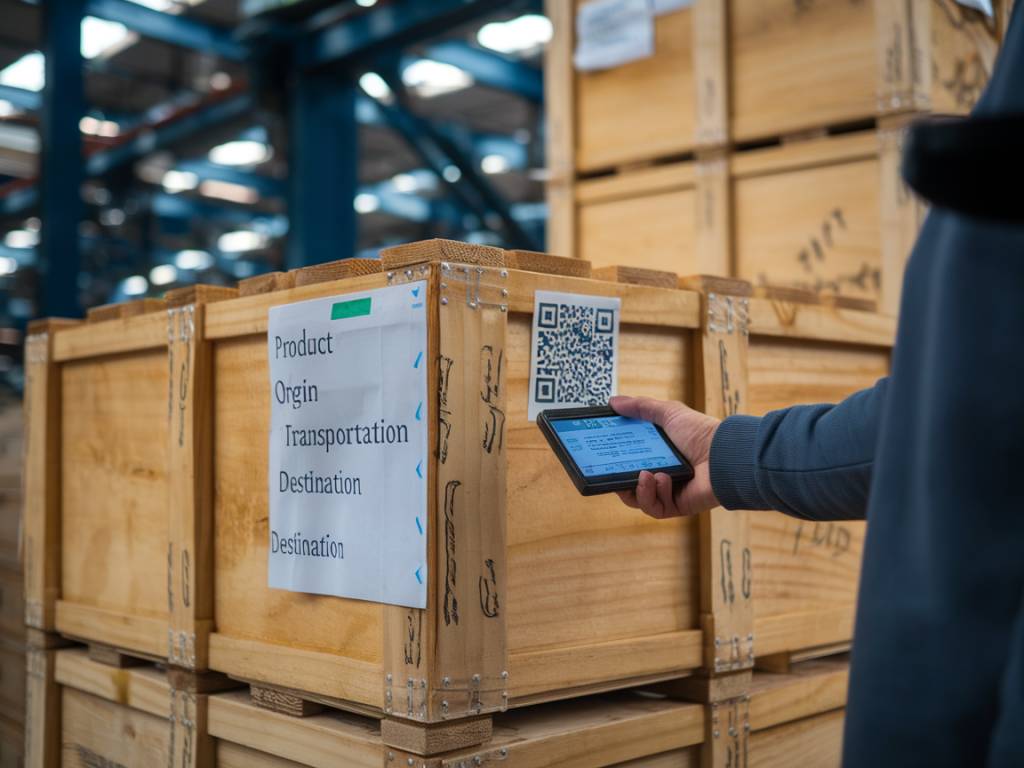
Greenwashing is common, so read claims carefully
Many companies now promise “sustainable” supply chains or “forest-friendly” products. Some are genuinely improving. Others are better at marketing than at land stewardship. The eco-conscious reader’s job is to look for specifics.
Useful questions include:
- Does the company disclose its sourcing regions and suppliers?
- Is the claim backed by third-party certification or traceability data?
- Does the company address indirect deforestation risks in its supply chain?
- Are there measurable timelines and public progress reports?
If a brand’s forest policy sounds beautifully vague, that is often a signal to keep your wallet in your pocket a little longer.
Why this matters for anyone who wants to live more sustainably
Deforestation connects to nearly every major sustainability theme: climate action, food systems, ethical consumption, land rights, and resilient ecosystems. It is not a niche issue for rainforest specialists. It is a core part of how the modern economy uses land.
The encouraging part is that forest loss is not inevitable. Policies can change. Supply chains can be cleaned up. Communities can gain legal recognition. Consumers can support better practices. Financial institutions can stop funding the worst offenders. None of these solutions works perfectly on its own, but together they can shift the balance.
For eco-conscious readers, the most useful takeaway is this: forests are not infinitely replaceable. Once cleared, they are much harder to recover than most people assume. Protecting them is one of the highest-leverage actions available in the environmental space, and it starts with understanding the facts.