
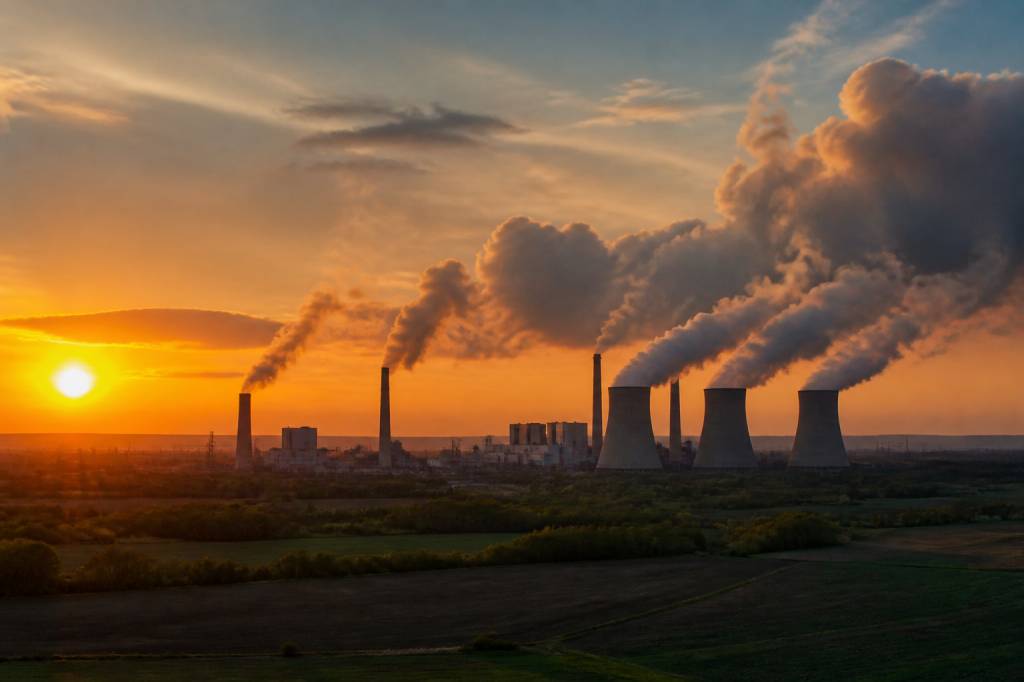
Carbon footprint is one of those terms that gets used everywhere: on product labels, in policy debates, in corporate reports, and in everyday conversations about “going green.” But what does it actually mean? And more importantly, what can a person, household, or business realistically do to reduce it without turning daily life into a guilt-driven spreadsheet marathon?
In simple terms, a carbon footprint is the total amount of greenhouse gases caused directly and indirectly by an activity, person, product, or organization. It is usually expressed in carbon dioxide equivalent, or CO2e, a standard that combines the warming impact of different gases such as carbon dioxide, methane, and nitrous oxide.
That definition matters because climate change is not driven by carbon dioxide alone. Methane from agriculture, nitrous oxide from fertilizers, and emissions from industrial processes all contribute to the overall problem. When we talk about reducing a carbon footprint, we are really talking about reducing our contribution to the warming of the planet across the full life cycle of what we do and consume.
What a carbon footprint includes
A carbon footprint is broader than tailpipe emissions or the electricity used in your home. It includes both direct and indirect emissions.
Direct emissions are the easiest to see. They come from sources you control directly, such as:
- Fuel burned in a car, scooter, or boiler
- Natural gas used for heating or cooking
- Diesel consumed by machinery or generators
Indirect emissions are less visible, but often much larger. They come from the production, transport, use, and disposal of the things you buy and the services you use, including:
- Electricity generated by power plants
- Food production and transport
- Clothing manufacturing
- Digital services and cloud storage
- Waste management and recycling
That’s why a carbon footprint can’t be judged by a single activity. Someone who rarely drives may still have a high footprint if they fly often, live in an inefficient home, or consume a lot of resource-intensive goods. Another person may own a car yet keep a relatively low footprint through efficient housing, a plant-rich diet, and mindful consumption. The details matter.
Why carbon footprints matter
The phrase can sound abstract, but the impact is not. Greenhouse gases trap heat in the atmosphere, making extreme weather more intense and climate systems less stable. The more we emit, the harder it becomes to limit global warming.
Carbon footprints are useful because they translate a global issue into something measurable. Once emissions are measurable, they can be reduced. And once they can be reduced, choices become clearer. Should you insulate the house or replace the car? Eat less beef or switch to a hybrid? Fly less or offset emissions? A footprint gives a framework for prioritizing action.
It also helps expose an important truth: climate responsibility is shared. Individuals matter, but so do companies, cities, and governments. Your footprint is not a moral scorecard. It is a map. The goal is not perfection. The goal is direction.
How carbon footprints are calculated
Calculating a carbon footprint means estimating the greenhouse gas emissions associated with a product, person, activity, or organization. In practice, this often involves multiplying activity data by emissions factors.
For example:
- Driving 1,000 kilometers in a gasoline car generates a certain amount of CO2e based on fuel efficiency
- Using 500 kWh of electricity produces different emissions depending on the energy grid
- Eating beef carries a higher footprint than most legumes because of methane emissions and land use
Life-cycle assessment is often used for products. It looks at emissions from raw material extraction to manufacturing, transport, use, and end-of-life disposal. This is where some surprising results appear. A reusable product is not automatically better than a disposable one if it is heavy, energy-intensive to make, and used only once or twice. Sustainability likes nuance. Annoying, but true.
For people, online carbon calculators can provide a rough estimate based on home energy, transport, diet, and shopping habits. These tools are not perfect, but they are useful for identifying the biggest sources of emissions in daily life.
The biggest sources of personal emissions
If you want to reduce a carbon footprint effectively, it helps to know where the biggest emissions usually come from. For most people in high-income countries, the main drivers are transport, housing, food, and consumption.
Transport is often a major source, especially private cars and air travel. A short car commute every day adds up quickly, and a round-trip flight can generate more emissions than months of local travel. Aviation is especially carbon-intensive because emissions occur high in the atmosphere, where they have an additional warming effect.
Housing matters because heating, cooling, and electricity use are constant. An old, poorly insulated apartment can waste enormous amounts of energy. A well-insulated home with efficient appliances and a renewable electricity tariff can cut emissions significantly without changing much of daily life.
Food is another major category. Beef and lamb generally have much higher footprints than poultry, eggs, beans, or lentils because of methane emissions and land requirements. Imported food is not automatically bad, but food that is seasonal, minimally processed, and less dependent on refrigeration and air freight often has a smaller footprint.
Consumption covers everything from clothing to electronics to furniture. In many cases, the carbon cost of a product is dominated by production, not use. Buying fewer, better-made items and using them longer can be one of the most effective strategies available.
Practical ways to reduce your carbon footprint
The most effective reductions usually come from a few high-impact changes rather than dozens of tiny sacrifices. Here is a realistic place to start.
- Drive less, and drive smarter. Walk, cycle, use public transit, or carpool when possible. If you need a car, consider a more efficient model and keep tires properly inflated.
- Fly less. Replace some short trips with trains, buses, or virtual meetings. When flying is unavoidable, choose direct routes when possible, since takeoff and landing are especially emissions-intensive.
- Improve home energy efficiency. Seal drafts, insulate properly, switch to LED lighting, and use smart thermostats. The cheapest energy is the energy you never need to use.
- Choose cleaner electricity. If your utility offers renewable tariffs or green power plans, they can reduce the footprint of your electricity use.
- Eat more plant-based meals. You do not need to become a full-time lentil evangelist. Even reducing red meat and dairy can make a noticeable difference.
- Cut food waste. Plan meals, store food properly, and use leftovers creatively. Throwing away food means wasting the emissions used to produce it.
- Buy less, buy better. Repair clothes, keep electronics longer, and avoid fast-fashion impulse buys. The most sustainable item is often the one already in your closet.
- Support low-carbon companies and policies. Your choices as a voter, employee, investor, or customer influence systems beyond your own household.
One useful rule: if a change affects a high-emission area of your life, it is probably worth more than ten low-impact swaps. Reusable metal straws are fine. But if you want to make a real dent, focus on travel, housing, food, and major purchases first.
Reducing emissions at home
Homes offer some of the most practical opportunities for emissions reduction because energy use is relatively predictable. Start with the basics: insulation, windows, heating systems, and appliances. If your home loses heat quickly, your furnace or boiler has to work harder. That means more emissions and higher bills. Not exactly a win-win.
Heating and cooling are often the largest source of household emissions. If you live in a region where heat pumps are viable, they can significantly reduce emissions compared with fossil-fuel systems. Pairing a heat pump with better insulation can make an even bigger difference.
Electricity use also adds up. Simple habits help, but the biggest gains usually come from the systems you choose:
- Use LED bulbs instead of incandescent or halogen lighting
- Run washing machines with full loads and lower temperatures
- Choose energy-efficient appliances when replacing old ones
- Unplug devices or use smart power strips to reduce standby losses
If you rent, some improvements may be out of your hands. That does not mean you have no options. You can still reduce heating waste, choose efficient appliances, and advocate for better building upgrades with your landlord or housing association. Progress is often less glamorous than we’d like, but it still counts.
Diet changes that actually help
Food choices are personal, cultural, and social, which is exactly why this topic gets heated fast. But the science is clear: shifting toward more plant-based foods tends to reduce emissions. You do not need to eliminate every animal product to make a meaningful difference.
Useful swaps include:
- Replacing some beef meals with beans, lentils, tofu, or chickpeas
- Using dairy alternatives for coffee, cereal, or baking where suitable
- Choosing seasonal vegetables and fruits more often
- Reducing ultra-processed snacks that come with heavy packaging and long supply chains
There is also a side benefit: many lower-carbon diets are healthier and cheaper. That does not mean sustainability should be sold as a diet trend, but it does show that climate-friendly choices can align with everyday wellbeing.
A practical approach is not to aim for perfection, but for frequency. Maybe meat becomes a weekend food rather than a daily habit. Maybe one dairy-rich meal becomes a lentil curry. Small shifts, repeated consistently, can reduce emissions more than dramatic changes that last two weeks.
Consumption: the hidden footprint in what we buy
People often underestimate the footprint of stuff. Clothing, electronics, furniture, toys, packaging, and household goods all carry emissions from extraction, manufacturing, shipping, and disposal. The environmental cost is hidden behind convenience and low sticker prices.
Fast fashion is a prime example. A cheap T-shirt may seem harmless, but when garments are worn only a handful of times before being discarded, the emissions per wear rise sharply. A better approach is to buy fewer items, choose durable fabrics, repair where possible, and favor secondhand options.
The same logic applies to phones and laptops. Extending the life of a device by even one or two years often has a bigger climate benefit than upgrading to the newest model. Manufacturers may market efficiency gains, but the greenest gadget is frequently the one you already own.
Can offsets solve the problem?
Carbon offsets are often presented as a way to “neutralize” emissions by funding projects that reduce or remove greenhouse gases elsewhere, such as reforestation or renewable energy. They can play a role, but they are not a substitute for actual reductions.
The problem is that not all offsets are equal. Some projects are difficult to verify, some would have happened anyway, and some store carbon only temporarily. If you use offsets, think of them as a last step after cutting emissions as much as possible, not as an excuse to keep emitting at the same level.
A good test is simple: if an action creates emissions today and the offset promise is uncertain for the next 20 or 50 years, the climate benefit is not as solid as it looks on the brochure.
From individual choices to collective impact
Reducing a personal carbon footprint is important, but systemic change is where the biggest gains happen. That means supporting cleaner public transport, better building standards, renewable energy, sustainable agriculture, and corporate accountability.
Individuals influence systems in more ways than consumers. You can vote for climate policies, push your workplace toward greener procurement, ask banks and pension funds about fossil fuel exposure, and support local businesses with transparent environmental practices. One person buying less fast fashion helps. A city redesigning transport around people rather than cars helps much more.
The most effective climate action usually sits at the intersection of personal behavior and public pressure. Choose better. Demand better. That combination is powerful.
A realistic mindset for reducing your footprint
It is easy to feel overwhelmed by climate data. Every choice seems to carry an emissions cost, and suddenly even boiling water can feel like a policy decision. The solution is not to obsess over every gram of CO2e. It is to focus on the bigger levers and act consistently.
Start with one question: where are your largest emissions coming from? For some people, the answer is flights. For others, it is heating. For many, it is a mix of transport, diet, and purchases. Once you know the main sources, you can prioritize changes with the greatest impact.
And remember: reducing a carbon footprint is not about becoming a perfect eco-saint. It is about making better choices more often, in a way that is realistic, durable, and scalable. Climate action works best when it fits into real life rather than demanding a complete rewrite of it.
Every ton of emissions avoided matters. So does every policy, product, and habit that helps make low-carbon living the easier choice. The good news? You do not have to do everything. You just have to start where it counts most.